Finding a clinic for yourself is one thing. Finding a family care clinic that can support children, adults and older family members is a different decision.
Families often need more than treatment for occasional coughs, fever or minor illnesses. Over time, healthcare needs can include childhood check-ups, vaccinations, women’s and men’s health, medical screening, chronic disease monitoring and diagnostic tests.
For people searching for a Cheras health clinic or a Kuala Lumpur health clinic, the most convenient option is not always simply the nearest clinic.
It is worth considering whether the clinic can support your family’s changing healthcare needs over the long term.
This guide explains what to look for when choosing a family care clinic and which services may be useful at different stages of life.
What Is a Family Care Clinic?
A family care clinic provides primary healthcare for people across different age groups and stages of life.
Rather than focusing on only one condition or one group of patients, family care may cover:
- general medical consultations;
- common illnesses;
- preventive healthcare;
- health screening;
- vaccinations;
- child health;
- women’s health;
- men’s health;
- chronic disease monitoring;
- minor injuries; and
- selected diagnostic services.
The advantage is continuity.
Instead of visiting completely different clinics for every general health concern, families can have a familiar primary-care clinic that understands their medical history and can advise when more specialised assessment is needed.
Klinik Len Seng provides a range of family and general healthcare services for patients in Cheras and Kuala Lumpur.
Why Does Continuity of Care Matter?
Health rarely consists of isolated events.
A raised blood pressure reading today may be more meaningful when compared with previous measurements. Recurrent childhood wheezing may need to be considered alongside earlier respiratory episodes. Changes in blood glucose or cholesterol become more useful when doctors can see the trend over time.
Continuity of care can help healthcare professionals understand:
- previous illnesses;
- allergies;
- medications;
- chronic conditions;
- earlier investigation results;
- family medical history; and
- how health indicators change over time.
It can also make healthcare simpler for families because previous information is available when another health issue develops.
This does not mean one clinic needs to manage every medical problem. Certain conditions will still require specialist or hospital care.
A family care clinic acts as an important first point of assessment and can help determine when further investigation or referral is appropriate.
1. Look for General and Preventive Healthcare
A useful family clinic should provide care when you are unwell, but preventive healthcare is equally important.
Preventive care may include:
- blood pressure checks;
- health risk assessment;
- routine medical examinations;
- blood tests;
- diabetes screening;
- cholesterol testing;
- vaccination;
- lifestyle advice; and
- monitoring of previous abnormal results.
Klinik Len Seng’s medical check-up and health screening services include blood testing, ECG and access to diagnostic imaging when appropriate.
Preventive screening can be particularly useful because conditions such as hypertension, high cholesterol and abnormal blood glucose may not cause obvious symptoms in their early stages.
However, screening should still be selected according to individual risk rather than simply choosing the largest available package.
2. Consider Whether the Clinic Can Care for Children
Families with babies or young children have different healthcare requirements from adults.
Children may need medical attention for:
- fever;
- cough and flu;
- sore throat;
- vomiting or diarrhoea;
- ear infections;
- respiratory symptoms;
- skin conditions;
- allergies; and
- common childhood infections.
Preventive child healthcare is equally important.
A family clinic that provides paediatric, baby and children’s healthcare can support growth monitoring, developmental assessments, childhood check-ups and immunisation.
Having access to child healthcare within the same clinic can also be convenient for parents who require care themselves.
3. Check the Vaccination Services Available
Vaccination is relevant across several stages of life, not only during childhood.
Depending on age, health, travel and individual circumstances, patients may need:
- routine childhood immunisations;
- influenza vaccination;
- adult boosters;
- travel vaccinations;
- selected vaccines for older adults; or
- vaccinations recommended because of particular medical risks.
A family clinic offering vaccination and immunisation services can help patients understand which vaccinations may be appropriate according to their medical history and circumstances.
If you need a vaccine for travel or a particular purpose, contact the clinic beforehand to confirm availability and whether an appointment is required.
4. Look for Chronic Disease Management
A family care clinic becomes particularly valuable when a family member develops a condition that requires ongoing monitoring.
Common chronic conditions managed within primary care can include:
- diabetes;
- hypertension;
- high cholesterol;
- asthma; and
- other long-term health concerns.
These conditions often require more than a single consultation.
Management may involve regular blood pressure checks, laboratory tests, medication review, lifestyle advice and monitoring of whether treatment goals are being achieved.
If you are choosing a health clinic in Kuala Lumpur for long-term care, ask whether the clinic provides follow-up management rather than only treating short-term illnesses.
Regular monitoring also allows treatment plans to be adjusted when health circumstances change.
5. Consider Women’s Healthcare Needs
Women’s healthcare requirements can change substantially throughout life.
Depending on age and individual circumstances, patients may seek healthcare for:
- menstrual concerns;
- reproductive health;
- pregnancy-related care;
- contraception;
- cervical health;
- breast concerns;
- menopause; and
- preventive health screening.
Having women’s healthcare available within a family clinic may make it easier to discuss these concerns while maintaining continuity with general medical care.
Klinik Len Seng offers dedicated women’s health services alongside its broader primary-care services.
6. Do Not Overlook Men’s Preventive Health
Men may delay medical care when they do not have obvious symptoms.
However, family healthcare should also provide opportunities to discuss preventive and age-related concerns.
Depending on individual needs, men’s health may involve:
- blood pressure;
- cardiovascular risk;
- diabetes;
- cholesterol;
- weight;
- sexual health;
- urinary concerns; and
- other age-related health issues.
A family clinic that provides both general healthcare and men’s health assessment can address these concerns within a broader picture of long-term health.
7. Check Whether Diagnostic Services Are Available
Sometimes a consultation or physical examination indicates that more information is needed.
Having selected diagnostic services within the same clinic can make the next stage of assessment more convenient.
Useful capabilities may include:
- blood testing;
- ECG;
- X-ray; and
- ultrasound.
For example, an injury may require imaging to assess a bone, while persistent abdominal symptoms may sometimes require an ultrasound depending on the clinical assessment.
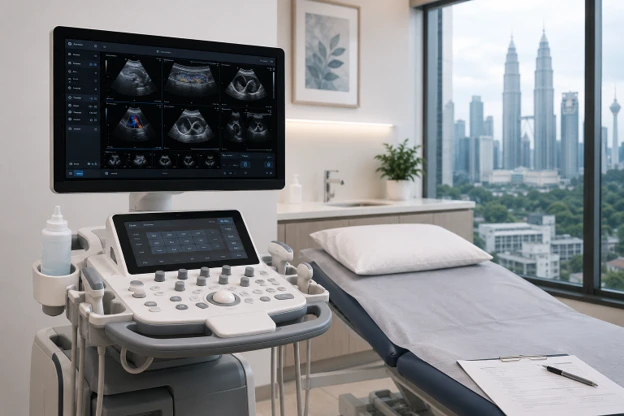
Klinik Len Seng provides ultrasound scan services as well as in-house digital X-ray and laboratory screening.
This does not mean imaging is necessary for every patient.
Diagnostic testing should be used when there is an appropriate medical reason rather than simply because the equipment is available.
8. Consider Care for Sudden Illnesses and Minor Injuries
Not every health problem can be planned in advance.
Families may suddenly need medical attention for:
- fever;
- respiratory infections;
- allergic reactions;
- cuts or wounds;
- minor accidents;
- sprains;
- pain;
- vomiting or diarrhoea; and
- other acute illnesses.
When searching for a Cheras health clinic, it can therefore be useful to check whether the clinic accepts walk-in patients or provides outpatient care for urgent but non-life-threatening conditions.
Klinik Len Seng provides accident, emergency and outpatient care for adults and children, supported by diagnostic facilities where appropriate.
However, a family clinic is not a substitute for a hospital emergency department.
Symptoms such as severe chest pain, severe breathing difficulty, major trauma, loss of consciousness or other potentially life-threatening emergencies require appropriate emergency medical care.
9. Check Opening Hours and Accessibility
Good healthcare needs to be accessible when your family actually needs it.
Before choosing a clinic, consider practical factors such as:
- operating hours;
- weekend availability;
- walk-in policy;
- appointment options;
- location;
- parking;
- accessibility for older family members; and
- ease of contacting the clinic.
Extended operating hours can be particularly useful for working adults and parents who may struggle to attend during normal office hours.
Klinik Len Seng states that it provides extended daily operating hours from its location at Maxim Residences in Cheras.
10. Ask Whether the Clinic Can Support Different Life Stages
A useful way to assess a family clinic is to think beyond what your household needs today.
Healthcare requirements change.
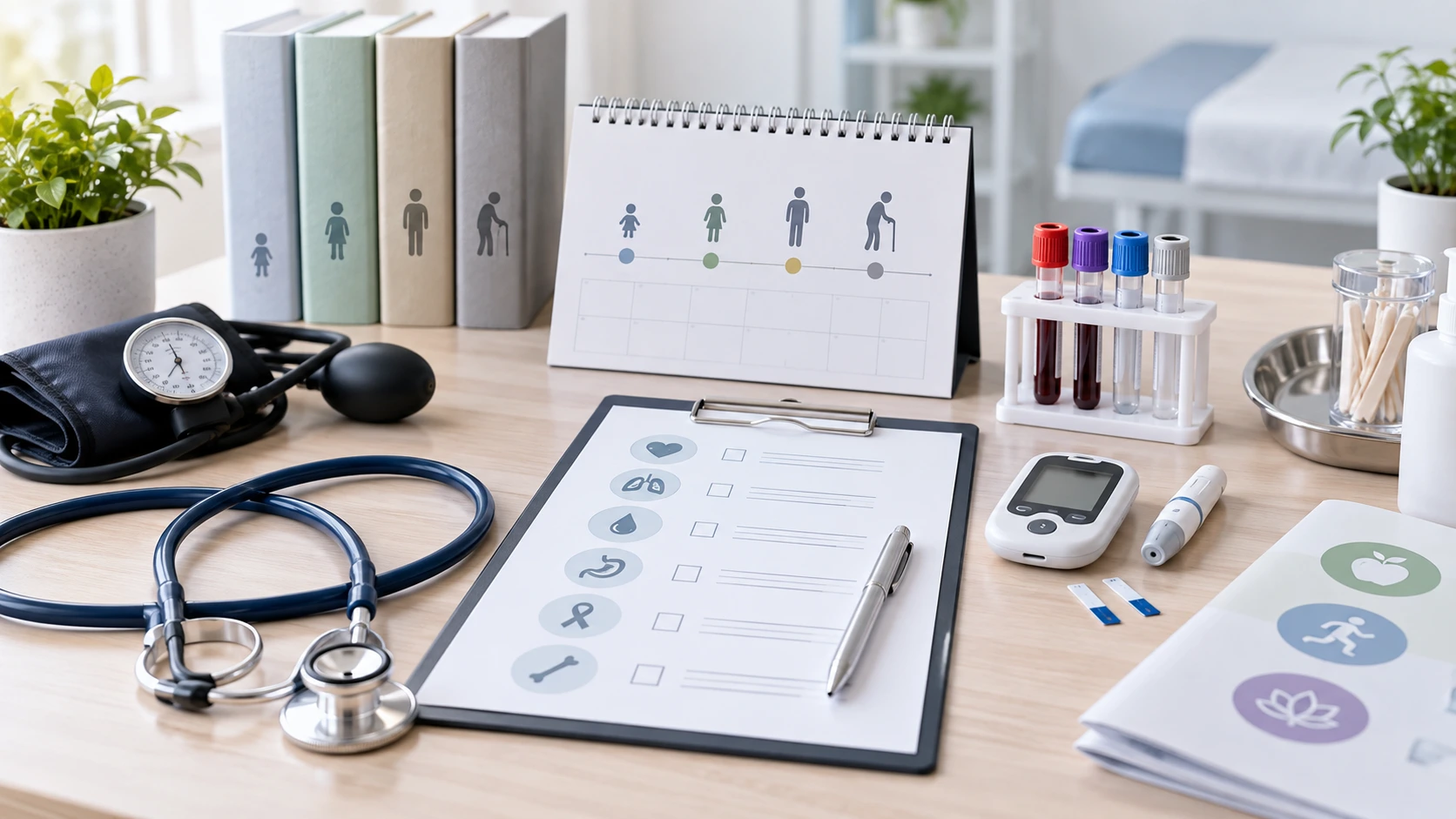
| Life stage | Common healthcare needs |
|---|---|
| Babies and children | Check-ups, illness treatment, growth monitoring, vaccination |
| Teenagers | General health, vaccinations, skin concerns, developmental health |
| Young adults | Preventive care, reproductive health, lifestyle risk assessment |
| Parents | General care, screening, women’s or men’s health, chronic disease prevention |
| Middle age | Diabetes, cholesterol, blood pressure and cardiovascular monitoring |
| Older adults | Chronic disease management, medication review and ongoing health monitoring |
A clinic capable of supporting multiple stages can help families maintain greater continuity rather than changing healthcare providers whenever their needs evolve.
What Should You Ask When Choosing a Family Care Clinic?
Before deciding whether a clinic suits your household, consider asking:
- Does the clinic treat both adults and children?
- Are preventive check-ups and vaccinations available?
- Can chronic medical conditions be monitored?
- Are women’s and men’s health services provided?
- Does the clinic have blood testing or diagnostic imaging?
- Are walk-in consultations available?
- What are the operating hours?
- How are follow-up appointments handled?
- Can previous results be reviewed during future consultations?
- When would the clinic recommend specialist or hospital referral?
These questions give you a more useful picture than choosing a clinic purely because it appears first in a local search.
Family Clinic or Health Screening Centre: What Is the Difference?
A health screening centre may primarily focus on preventive tests and screening packages.
A family care clinic usually has a broader role.
It may combine:
everyday medical care + preventive screening + chronic disease monitoring + family health + diagnostic assessment.
This can be useful because a screening result does not exist in isolation.
If blood glucose, cholesterol or another health indicator is abnormal, follow-up medical care may be needed.
A clinic that offers both screening and general medical care can therefore provide greater continuity between identifying a health risk and managing it.
Do You Need an Appointment at a Family Care Clinic?
This depends on the clinic and the service required.
General consultations may be available on a walk-in basis, while certain services may benefit from advance booking.
For example, it can be useful to contact the clinic beforehand for:
- health screening;
- vaccinations;
- ultrasound;
- specific medical examinations;
- procedures; or
- follow-up appointments.
Checking before travelling also allows you to confirm any preparation requirements, such as fasting for particular tests.
When Should You Go Directly to a Hospital Instead?
A family care clinic is suitable for many primary-care needs, but some conditions require hospital assessment.
Seek appropriate emergency care for symptoms such as:
- severe chest pain;
- severe difficulty breathing;
- loss of consciousness;
- symptoms of stroke;
- uncontrolled heavy bleeding;
- major trauma;
- severe allergic reactions affecting breathing; or
- other potentially life-threatening conditions.
Knowing the limits of primary care is just as important as knowing what your family clinic can provide.
Frequently Asked Questions
What does a family care clinic treat?
A family care clinic may provide general consultations, treatment of common illnesses, preventive healthcare, vaccination, child healthcare, chronic disease management and selected diagnostic services.
Can children and adults visit the same family clinic?
Yes, provided the clinic offers healthcare for both age groups. Klinik Len Seng provides general adult care alongside dedicated paediatric services.
Can a family care clinic provide health screening?
Many primary-care clinics provide preventive screening. Klinik Len Seng offers medical check-ups, laboratory screening, ECG and access to diagnostic imaging according to individual healthcare needs.
Does a family clinic provide vaccinations?
Vaccination services can include childhood, adult, seasonal and travel-related immunisations depending on the clinic and vaccine availability.
Should I choose the nearest health clinic?
Distance matters, especially when someone is unwell, but it should not be the only factor. Consider services, operating hours, diagnostic capabilities, continuity of care and whether the clinic can support different members of your family.
Finding a Family Care Clinic in Cheras
Choosing a family care clinic is ultimately about finding a healthcare provider that can support both everyday medical concerns and longer-term health needs.
For families searching for a Cheras health clinic or Kuala Lumpur health clinic, consider more than location alone.
Look at whether the clinic provides preventive care, child healthcare, vaccination, chronic disease monitoring, women’s and men’s health, diagnostic testing and suitable access when your family needs medical attention.
Klinik Len Seng in Cheras provides comprehensive primary and family healthcare covering preventive screening, general consultations, paediatric care, vaccination, men’s and women’s health, chronic disease management, ultrasound and in-house diagnostic services.
If you are looking for ongoing healthcare for yourself or your family, explore Klinik Len Seng’s healthcare services or contact the clinic to discuss the type of care you require.
This article provides general health information and does not replace individual medical advice, diagnosis or emergency medical care.