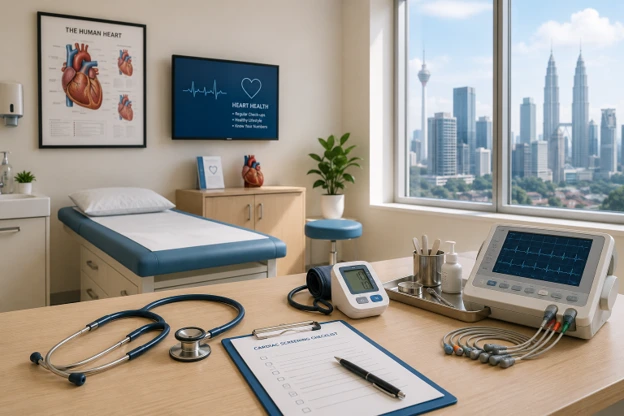
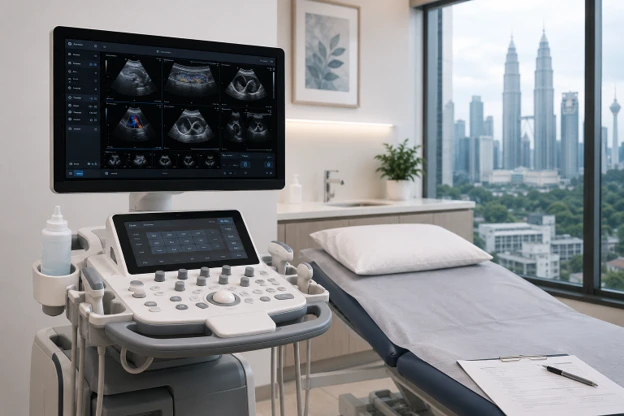
Choosing a health screening package can be confusing.
Some packages contain only basic blood tests, while others include ECGs, X-rays, ultrasound scans and specialised investigations. It can be tempting to assume that the package with the most tests must be the best choice.
That is not always the case.
A useful health screening should match your age, medical history, family history, lifestyle, previous results and individual risk factors.
The goal is not to perform every available test. It is to identify the health risks that are most relevant to you and decide whether further assessment is needed.
What Is a Health Screening Package?
A health screening package combines several preventive assessments into one health check.
Depending on the package and your needs, it may include:
- medical history review;
- physical examination;
- blood pressure measurement;
- weight and BMI assessment;
- blood tests;
- urine analysis;
- blood glucose testing;
- cholesterol screening;
- liver and kidney function tests;
- ECG;
- X-ray;
- ultrasound; and
- doctor consultation.
Klinik Len Seng provides medical check-up and health screening packages that can be personalised according to individual health requirements.
Rather than selecting a package only because of its name — such as “basic”, “executive” or “comprehensive” — consider what the tests are actually designed to assess.
Why Is Health Screening Important?
Many chronic conditions may develop gradually before obvious symptoms appear.
Health screening may help identify risk factors associated with conditions such as:
- high blood pressure;
- diabetes;
- high cholesterol;
- cardiovascular disease;
- kidney problems; and
- certain liver abnormalities.
Screening can also establish baseline measurements that can be compared with future results.
However, preventive screening is different from diagnostic testing.
If you already have symptoms such as persistent chest pain, unexplained weight loss, unusual bleeding or prolonged abdominal pain, tell your doctor. You may require targeted diagnostic assessment rather than a standard screening package.
How Do You Choose a Health Screening Package?
Instead of selecting a package based on age alone, consider these six questions:
- How old are you and what health risks are becoming more relevant?
- Do you have a family history of chronic disease?
- Do you have lifestyle-related risk factors?
- Do you already have a medical condition?
- Were any previous screening results abnormal?
- Do you have gender-specific preventive health needs?
These factors can help determine whether a basic assessment is sufficient or whether additional investigations may be appropriate.
Health Screening for Younger Adults
Younger adults often assume that health screening is unnecessary if they feel well.
However, early adulthood can be a useful time to establish baseline health information, especially when lifestyle or family-history risks are present.
A general screening may consider:
- blood pressure;
- body weight and BMI;
- complete blood count;
- blood glucose;
- cholesterol;
- liver function;
- kidney function; and
- urine analysis.
Not every younger adult requires the same tests.
For example, someone with a strong family history of diabetes, high cholesterol or premature heart disease may benefit from earlier or more targeted screening.
Lifestyle factors also matter.
Smoking, physical inactivity, excess weight, frequent alcohol consumption and an unbalanced diet may influence which health indicators deserve closer attention.
Health Screening During Your 30s and 40s
As people move through their 30s and 40s, metabolic and cardiovascular risks often become increasingly relevant.
Work pressure, reduced physical activity, weight gain, poor sleep and family responsibilities may also affect long-term health.
A health screening package may include assessment of:
- blood pressure;
- blood sugar;
- HbA1c where appropriate;
- cholesterol;
- liver function;
- kidney function;
- body weight; and
- cardiovascular risk factors.
The important point is not that everyone automatically needs a larger package after reaching a particular birthday.
Instead, screening should become more personalised as health risks change.
Someone with normal previous results and few risk factors may have different needs from another person of the same age with obesity, hypertension or a strong family history of diabetes.
Health Screening From Midlife Onwards
As age increases, doctors may place greater attention on cardiovascular, metabolic and chronic disease risk.
Depending on your individual circumstances, additional assessment may be considered alongside routine blood investigations.
This could include tests related to:
- cardiovascular health;
- diabetes risk;
- kidney function;
- liver function;
- bone health;
- gender-specific health; or
- other conditions relevant to your history.
An ECG may be considered when there is an appropriate cardiovascular reason, while imaging such as an ultrasound scan or digital X-ray may be recommended when clinically useful.
These tests do not automatically need to be included simply because someone has reached a particular age.
Health Screening for Older Adults
For older adults, health screening often focuses not only on detecting new conditions but also on monitoring existing ones.
Important considerations may include:
- blood pressure control;
- diabetes monitoring;
- cholesterol;
- kidney function;
- liver function;
- medication effects;
- cardiovascular risk; and
- changes compared with previous results.
Older adults may also take multiple medications, making regular review of existing health conditions particularly important.
A personalised package can help avoid unnecessary testing while ensuring that important health indicators are monitored appropriately.
Your Family History May Matter More Than Your Age
Two people of the same age can have very different screening needs.
Family history is one reason.
Tell your doctor if close family members have experienced:
- diabetes;
- hypertension;
- high cholesterol;
- heart disease;
- stroke;
- kidney disease; or
- certain cancers.
If several close relatives developed a condition at a relatively young age, this information may influence when or how often particular assessments are considered.
Do not wait until the day of your health screening to think about family history.
Knowing which conditions affect your parents and siblings can help your doctor recommend more relevant tests.
Lifestyle Also Changes Your Screening Needs
Age is only one factor in preventive health.
Your health screening may also need to consider whether you:
- smoke;
- drink alcohol regularly;
- exercise infrequently;
- have gained significant weight;
- have high workplace stress;
- sleep poorly;
- eat a diet high in processed foods; or
- spend long periods sitting.
These factors may increase the relevance of cardiovascular, metabolic, liver or other assessments.
Be honest during your medical consultation. Accurate lifestyle information helps your doctor interpret your screening results more meaningfully.
What Should a Basic Health Screening Cover?
There is no universal definition of a basic package, but a general preventive assessment may include several core health indicators.
These can include:
1. Complete Blood Count
A complete blood count measures components such as red blood cells, white blood cells, haemoglobin and platelets.
2. Blood Glucose
Blood glucose testing helps assess blood sugar levels and may contribute to diabetes screening.
3. Lipid Profile
A lipid profile measures cholesterol and triglycerides and can contribute to cardiovascular risk assessment.
4. Liver Function
Blood tests can measure substances related to liver health.
5. Kidney Function
Kidney-related tests can assess markers involved in filtration and electrolyte balance.
6. Urine Analysis
Urine testing may provide additional information about urinary, metabolic or kidney-related abnormalities.
These tests can provide a useful starting point, but they do not represent everything every individual requires.
When Might a More Comprehensive Package Be Useful?
A broader health screening package may be considered if you:
- have multiple chronic disease risk factors;
- have had abnormal previous results;
- have a strong family history;
- have not undergone health assessment for a long time;
- require closer monitoring because of medication;
- have existing chronic conditions; or
- have specific concerns identified during consultation.
Additional investigations may include ECG or imaging where appropriate.
However, “comprehensive” should mean relevant to your health, not simply a longer list of tests.
Do More Tests Mean Better Health Screening?
Not necessarily.
This is one of the most important things to understand when comparing health screening packages.
Adding more tests can sometimes identify findings that are not clinically significant but still require additional investigation.
Some specialised tests are useful only when there is an appropriate medical indication.
Therefore, the number of tests should not be the main factor when deciding between packages.
Instead, consider:
- what each test is checking;
- whether you have relevant risk factors;
- whether a doctor will interpret the results;
- whether follow-up is available; and
- what happens if an abnormality is found.
A smaller but well-targeted health screening can be more useful than a large package containing tests that are not relevant to you.
Should Cancer Markers Be Included in Every Package?
Not automatically.
Some comprehensive health screening packages may include tumour-marker blood tests, but these tests are not general screening tools for every cancer or every person.
A tumour-marker result can sometimes be affected by non-cancerous conditions, while normal results do not rule out all cancers.
Cancer screening decisions are better based on factors such as:
- age;
- sex;
- family history;
- symptoms;
- individual cancer risks; and
- established screening recommendations.
If you are concerned about cancer risk, discuss the appropriate screening approach with your doctor rather than simply choosing the package containing the most tumour markers.
Health Screening for Women
Women may have preventive health needs beyond general blood tests.
Depending on age, symptoms and risk factors, these may include assessment related to:
- cervical health;
- breast health;
- reproductive health;
- menstrual concerns;
- menopause; and
- bone health.
Klinik Len Seng provides dedicated women’s health services that can complement general health screening where appropriate.
Women should also inform the clinic if they are pregnant or may be pregnant before certain imaging procedures are performed.
Health Screening for Men
Men may also have additional health considerations depending on their age and individual risks.
These may include:
- cardiovascular health;
- metabolic conditions;
- sexual health;
- prostate-related concerns; and
- lifestyle-related health risks.
Klinik Len Seng’s men’s health services can provide further assessment when concerns extend beyond routine preventive screening.
How Often Should You Have Health Screening?
There is no single interval suitable for everyone.
How often you need health screening depends on:
- age;
- previous results;
- chronic conditions;
- medications;
- family history;
- lifestyle;
- cardiovascular risk; and
- your doctor’s recommendations.
Someone with diabetes or hypertension may require regular monitoring, while a healthy person with consistently normal results may have different requirements.
Rather than automatically repeating the same package every year, discuss whether the frequency and tests still match your current health needs.
How Should You Prepare for Health Screening?
Preparation depends on the tests included in your package.
You may be asked to:
- fast before particular blood tests or scans;
- drink plain water;
- arrive with a full bladder for certain ultrasound examinations;
- avoid alcohol beforehand;
- bring previous medical reports; and
- prepare a list of medications and supplements.
Klinik Len Seng provides specific preparation guidance according to the selected health screening package.
Do not stop prescribed medication unless specifically advised by your healthcare professional.
What Happens After Your Health Screening?
A screening report alone does not provide the complete picture.
Your results should ideally be reviewed in the context of:
- your medical history;
- symptoms;
- family history;
- medication;
- lifestyle; and
- previous results.
Your doctor may recommend:
- no further action;
- lifestyle changes;
- repeat testing;
- monitoring;
- additional blood tests;
- imaging;
- medication; or
- referral for further assessment.
Tracking changes over time can also be valuable.
For example, a cholesterol or blood sugar result that is gradually increasing across several screenings may deserve attention even if an individual result is only mildly abnormal.
Frequently Asked Questions About Health Screening Packages
Which health screening package should I choose?
Choose based on your health risks rather than package size. Your age, medical history, family history, lifestyle and previous results can help determine which tests are appropriate.
Is the most comprehensive health screening package always better?
No. More tests do not necessarily provide better screening. Tests should have a clear purpose and be relevant to your health profile.
Can young adults undergo health screening?
Yes. Younger adults may benefit from baseline health assessment, particularly when they have lifestyle or family-history risk factors.
Should I get the same health screening every year?
Not necessarily. Your screening needs may change as you age, develop new risk factors or receive different results.
Do I need to fast before health screening?
It depends on the tests and imaging included. Follow the preparation instructions provided by your clinic.
Can health screening detect every disease?
No. Screening can identify certain risks and abnormalities but cannot rule out every medical condition. Symptoms may require separate diagnostic assessment.
Choose a Health Screening Package Based on What You Need
A health screening package should not be chosen simply because it has the most tests or appears to be the most comprehensive option.
The right screening should consider your age, family history, lifestyle, existing conditions and previous health results.
For some people, a core blood and physical assessment may be appropriate. Others may require additional cardiovascular assessment, imaging or gender-specific preventive care.
At Klinik Len Seng in Cheras, Kuala Lumpur, health screening and medical check-up packages can be personalised according to individual healthcare requirements, with blood testing, ECG, X-ray, ultrasound and preventive consultation available when appropriate.
If you are unsure which package suits you, discuss your health history and risk factors with the healthcare team before deciding.
The best health screening package is not necessarily the biggest one.
It is the one that answers the right health questions for you.
This article is intended for general health education and does not replace individual medical advice, diagnosis or treatment.