You may feel healthy, have no obvious symptoms and still wonder whether you need a medical check up.
For many people, the answer depends on age, lifestyle, family history, previous health results and individual risk factors. Some conditions, including high blood pressure, diabetes and high cholesterol, can develop gradually without causing noticeable symptoms in their early stages.
A medical check-up gives you an opportunity to review important health indicators, discuss possible risks with a doctor and determine whether further monitoring or investigation is needed.
However, a “full medical check-up” does not mean testing for every possible disease. The most useful health assessment is one that is appropriate for your individual health profile.
What Is a Medical Check Up?
A medical check up is a preventive health assessment used to review your current health and identify potential risk factors.
Depending on your age, medical history and reason for attending, it may include:
- medical history review;
- physical examination;
- blood pressure measurement;
- height, weight and BMI;
- blood tests;
- urine tests;
- heart assessment;
- diagnostic imaging; and
- consultation with a doctor.
The exact tests vary from person to person.
For someone with no known medical problems, the focus may be on establishing baseline health markers. For someone with a family history of diabetes, high cholesterol or heart disease, the assessment may place greater emphasis on those risks.
Klinik Len Seng provides medical check-up and health screening services that may include laboratory investigations, physical assessment and other diagnostic services according to individual healthcare needs.
Why Get a Medical Check Up If You Feel Healthy?
One of the main purposes of preventive healthcare is to identify potential health issues before symptoms become obvious.
Some common conditions can remain unnoticed for years.
High Blood Pressure
High blood pressure often causes no obvious symptoms. Routine blood pressure measurement can help identify elevated readings that may require repeat assessment, lifestyle changes or treatment.
High Cholesterol
High cholesterol usually does not cause noticeable symptoms. A lipid profile can measure different cholesterol levels and triglycerides, helping your doctor assess cardiovascular risk.
Diabetes and Prediabetes
Blood sugar levels can become abnormal before symptoms appear. Screening may be especially relevant if you have risk factors such as excess weight, a family history of diabetes, high blood pressure or a sedentary lifestyle.
Kidney and Liver Changes
Early kidney or liver abnormalities may also be detected through blood or urine investigations before significant symptoms develop.
A medical check-up cannot identify every possible disease, but it can provide useful information about important health markers that might otherwise go unnoticed.
What Does a Full Medical Check Up Usually Include?
There is no single definition of a “full medical check-up”. Different people require different combinations of tests.
A general assessment may include the following.
1. Medical History and Doctor Consultation
Your doctor may first ask about:
- previous illnesses;
- existing medical conditions;
- current medications;
- allergies;
- past operations;
- smoking and alcohol use;
- diet and exercise;
- sleep;
- stress;
- family medical history; and
- any recent symptoms or health changes.
This information helps determine which tests are relevant.
For example, the significance of a cholesterol result may be different for someone with multiple cardiovascular risk factors compared with someone without them.
2. Blood Pressure, Weight and BMI
Basic physical measurements can provide important information about your health.
These may include:
- height;
- weight;
- Body Mass Index (BMI);
- blood pressure; and
- pulse.
These results should be interpreted alongside your medical history and other test findings rather than considered individually.
3. Complete Blood Count
A Complete Blood Count, also known as CBC or FBC, measures different components of the blood, including:
- red blood cells;
- white blood cells;
- haemoglobin; and
- platelets.
The results may provide information relevant to anaemia, infection and certain blood abnormalities.
An unusual result does not automatically confirm a specific condition, so further assessment may sometimes be needed.
4. Blood Sugar Testing
Blood glucose tests can help assess how your body is regulating sugar.
Common tests may include:
- fasting blood glucose; and
- HbA1c.
HbA1c provides an indication of average blood glucose over the previous few months.
Your doctor can determine which test is more appropriate based on your risk profile.
5. Cholesterol and Lipid Profile
A lipid profile may include:
- total cholesterol;
- LDL cholesterol;
- HDL cholesterol; and
- triglycerides.
Doctors usually interpret these results together with factors such as blood pressure, age, smoking, diabetes and family history.
6. Kidney and Liver Function Tests
Blood tests may also assess kidney and liver health.
Kidney-related tests can provide information about how effectively the kidneys are filtering waste, while liver-related blood tests may help identify possible abnormalities.
Abnormal results do not automatically mean you have kidney or liver disease. Your doctor may consider other factors such as medication use, alcohol intake, body weight and existing medical conditions.
7. Urine Test
Urine analysis may be included in some medical check-ups.
It can help identify abnormalities related to:
- glucose;
- protein;
- blood;
- urinary tract issues; and
- kidney function.
Further testing may be recommended if unexpected findings are detected.
Do You Need an ECG, X-Ray or Ultrasound?
Not everyone needs imaging or cardiac testing during a routine medical check-up.
These investigations are usually considered based on symptoms, age, medical history and individual risk.
ECG
An electrocardiogram, or ECG, records the heart’s electrical activity.
It may be recommended depending on:
- cardiovascular risk;
- symptoms;
- medical history;
- age; or
- findings from your physical examination.
X-Ray
An X-ray may be required for certain medical examinations or when there is a clinical reason to assess areas such as the chest, bones or joints.
Klinik Len Seng provides in-house digital X-ray services when medically appropriate.
Ultrasound
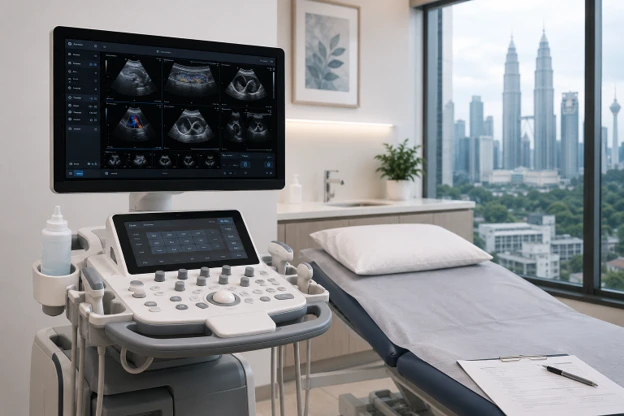
Ultrasound uses sound waves to create images of internal organs and soft tissues.
Depending on the clinical indication, an ultrasound scan may be used to assess areas such as:
- liver;
- gallbladder;
- kidneys;
- bladder;
- pelvis;
- thyroid; or
- breast.
More tests do not automatically mean a better health check. The most important factor is whether each test has a clear clinical purpose.
More Tests Do Not Always Mean a Better Check-Up
When comparing medical check-up packages, it can be tempting to choose the option with the longest list of tests.
However, quantity does not always equal quality.
A test is most useful when there is a clinical reason to perform it and a clear plan for interpreting the result.
Performing unnecessary tests can sometimes lead to borderline or unexpected findings that require further investigation even when no serious condition is present.
A better question is:
Which tests are relevant to my health?
rather than:
Which package includes the most tests?
How Does a Doctor Decide Which Tests You Need?
Several factors may influence the recommendation.
Age
Health risks change as you get older, so screening needs may also change over time.
Family History
Tell your doctor if close family members have experienced conditions such as:
- diabetes;
- hypertension;
- high cholesterol;
- heart disease;
- stroke; or
- certain cancers.
A strong family history may affect when screening begins or how closely certain risks are monitored.
Lifestyle
Smoking, alcohol intake, physical inactivity, poor diet and excess body weight may increase the risk of chronic disease.
Being open about your lifestyle helps your doctor recommend more relevant tests.
Existing Conditions
People already living with diabetes, hypertension or high cholesterol generally require ongoing monitoring rather than relying on occasional general check-ups.
Previous Results
Previous blood test and screening results can be useful for comparison.
A result that remains stable over several years may be interpreted differently from one that changes progressively.
What Can a Medical Check Up Tell You?
A well-planned medical assessment may help you understand:
- blood pressure;
- blood sugar status;
- cholesterol levels;
- liver and kidney markers;
- blood cell measurements;
- cardiovascular risk factors;
- changes from previous results; and
- whether further assessment is needed.
It may also help identify areas where lifestyle changes could improve health.
Your doctor may discuss:
- diet;
- physical activity;
- sleep;
- weight management;
- smoking cessation;
- alcohol use; and
- follow-up monitoring.
What Can’t a Medical Check Up Tell You?
A normal medical check-up does not guarantee that you do not have any disease.
Some conditions may:
- not be included in the tests performed;
- be too early to produce abnormal results;
- require specialised investigation; or
- need symptoms and clinical assessment for diagnosis.
This is why a “full medical check-up” should not be confused with testing every organ or every disease.
It is a targeted health assessment, not a complete guarantee of health.
Medical Check Up vs Diagnostic Testing
A routine medical check-up is mainly preventive.
Diagnostic testing is different.
If you already have symptoms such as:
- persistent chest pain;
- unexplained shortness of breath;
- unusual bleeding;
- persistent abdominal pain;
- unexplained weight loss;
- prolonged fever;
- severe fatigue; or
- a new lump,
tell your doctor clearly.
You may require a focused medical assessment rather than a general screening package.
How Should You Prepare for a Medical Check Up?
Preparation depends on the tests included.
Before your appointment, ask whether fasting or other preparation is needed.
It is also useful to bring:
- identification documents;
- previous health-screening reports;
- recent blood test results;
- a list of medications;
- supplements;
- information about allergies; and
- relevant family medical history.
Do not stop prescribed medication unless your healthcare professional specifically advises you to do so.
Do You Need to Fast?
Not every medical check-up requires fasting.
Some blood tests may require it, while others can be done without fasting.
If fasting is needed, follow the clinic’s instructions regarding:
- how long to fast;
- whether plain water is allowed;
- medication use; and
- appointment timing.
Certain abdominal ultrasound examinations may also require specific preparation.
What Happens After the Medical Check Up?
Receiving the results is not the final step.
Your doctor should help you understand what those results mean in the context of your overall health.
Normal Results
Normal findings can provide useful baseline information for future comparison.
Borderline Results
Some values may require monitoring, repeat testing or lifestyle changes.
Abnormal Results
Abnormal findings may lead to:
- repeat blood tests;
- lifestyle changes;
- medication;
- additional imaging;
- ongoing monitoring; or
- specialist referral.
One abnormal result does not always mean you have a disease. Clinical interpretation is important.
How Often Should You Have a Medical Check Up?
There is no single schedule suitable for everyone.
The frequency of a medical check-up may depend on:
- age;
- previous results;
- family history;
- existing medical conditions;
- lifestyle;
- medication use; and
- your doctor’s recommendations.
Someone with chronic conditions may require more frequent monitoring than a healthy adult with few risk factors.
Different Reasons for Having a Medical Check Up
A medical examination may also be required for purposes other than preventive health.
Examples include:
- pre-employment medical examinations;
- school or university assessments;
- foreign worker screening;
- PSV medical examinations; and
- GDL medical examinations.
These assessments may have specific requirements, so bring any relevant forms or instructions provided by the employer, institution or authority.
Frequently Asked Questions
What is included in a medical check up?
A general medical check-up may include medical history, physical examination, blood pressure, height and weight measurements, blood tests and urine tests. ECG, X-ray or ultrasound may also be included when clinically appropriate.
Is a full medical check up the same as a full body scan?
No. A full medical check-up usually involves selected tests and examinations. It does not mean scanning every part of the body.
Can a medical check up detect cancer?
Some tests may help identify certain cancer risks or abnormalities, but a general medical check-up cannot rule out every type of cancer.
Cancer screening should be based on age, sex, symptoms, family history and recognised screening recommendations.
Should healthy people get a medical check up?
Preventive assessments can be useful even if you feel well, especially if you have age, lifestyle or family-history risk factors.
Is fasting necessary?
It depends on the tests being performed. Confirm with the clinic before your appointment.
What should I do if my results are abnormal?
Discuss them with your doctor. Some results may only require repeat testing or monitoring, while others may need further investigation or treatment.
A Medical Check Up Is More Than a Test Report
The real value of a medical check up is not simply receiving a list of laboratory results.
It is understanding what those results mean, identifying relevant risks and knowing what to do next.
A personalised medical assessment can help establish useful baseline measurements, identify potential health issues and determine whether further monitoring or treatment is needed.
At Klinik Len Seng in Cheras, Kuala Lumpur, medical check-up and health screening services are supported by blood testing, ECG, digital X-ray, ultrasound imaging and doctor consultation according to individual healthcare needs.
If you are unsure which tests are appropriate, speak with the healthcare team before selecting your screening.
The goal is not to test everything.
It is to test what matters.
This article is intended for general health education and does not replace individual diagnosis, treatment or medical advice from a qualified healthcare professional.